Collection/1600s
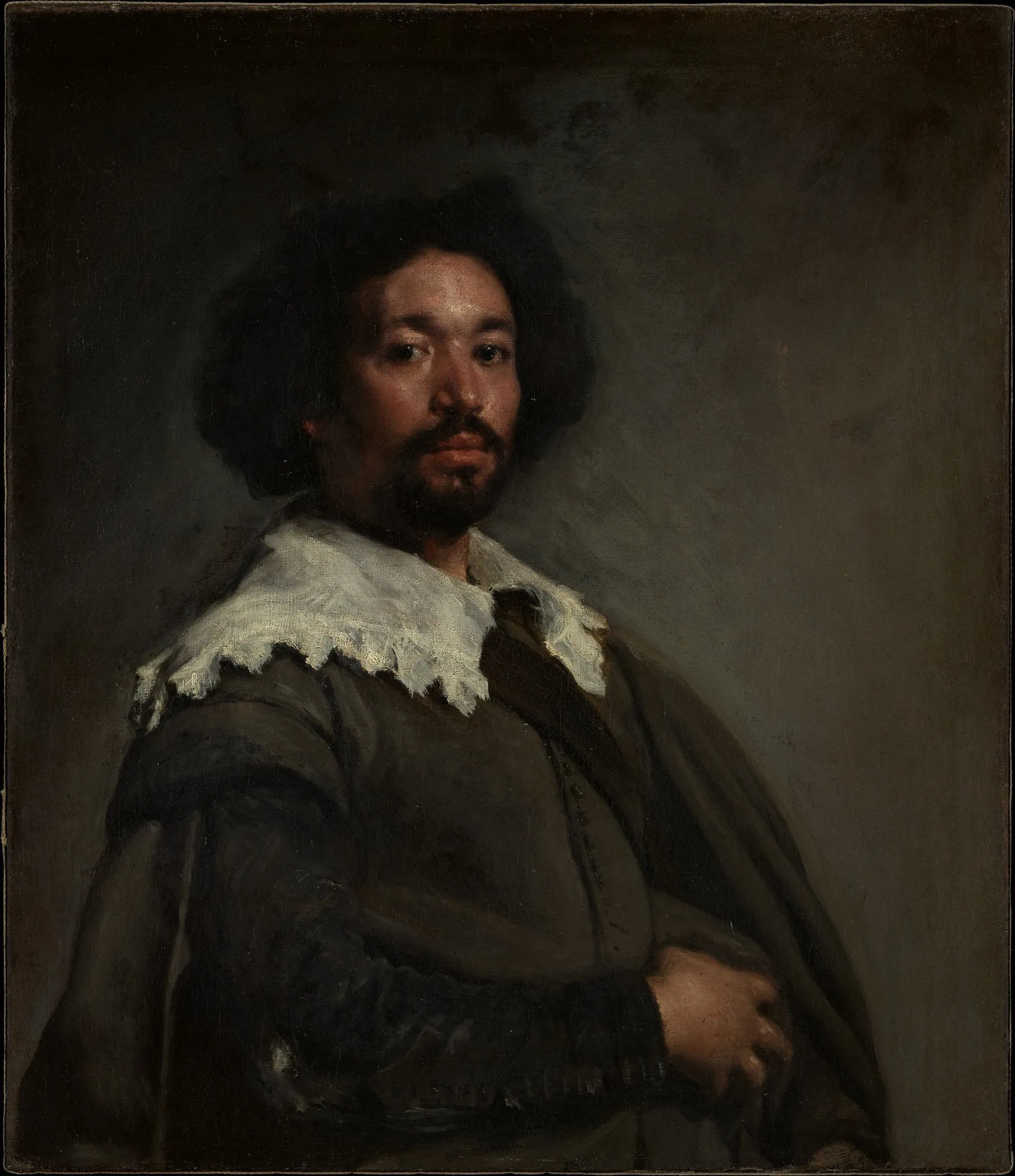
Juan de Pareja was an enslaved man of mixed descent who worked in Velázquez’s studio as an assistant. Velázquez painted his portrait in Rome in 1650, and when it was shown at the Pantheon, people said everything else looked like painting and this alone looked like truth.
That same year Velázquez signed a document freeing Pareja, effective four years later. Pareja became a painter in his own right. In 1970 the Met bought the portrait for a then-record $5.5 million.